
Treatments
Our Treatments
Discover the procedures offered by Prime Odontologia, with cutting-edge technology and personal care at every step.
Dental Implants
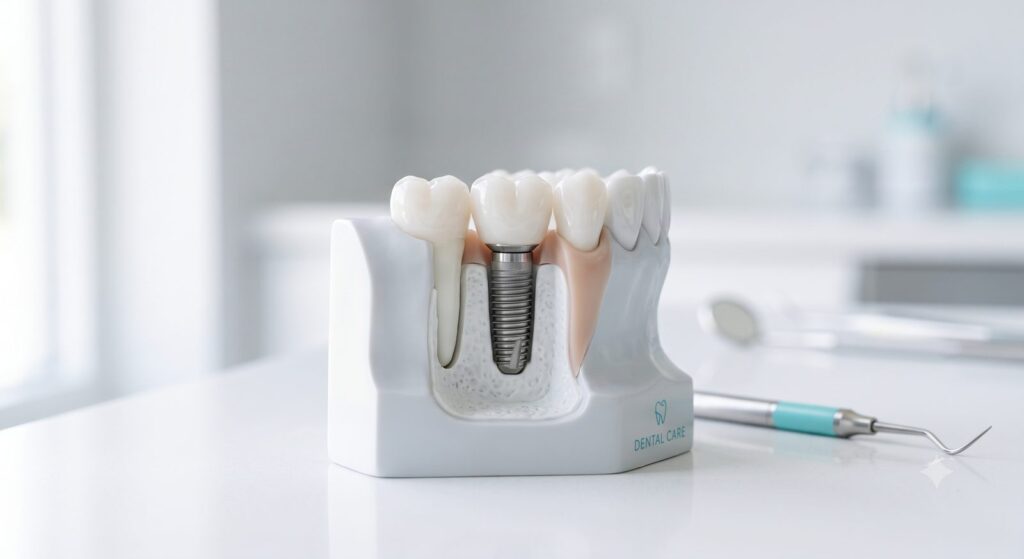
Dental implants were developed more than 50 years ago by the orthopedic surgeon Ingvar Branemark and remain, to this day, the most modern and functional solution for replacing one or more natural teeth.
Through implant-based rehabilitation, we aim to restore the aesthetics of our patients’ smiles and, above all, their oral health, bringing back full chewing function. Replacing removable dentures with osseointegrated implants brings an enormous gain in quality of life and self-confidence.
Who is it for?
In principle, any adult can receive dental implants, as long as their general and oral health are in good condition. The treatment is not recommended for children, patients with high-risk heart conditions or people with uncontrolled diabetes. Smoking is not a contraindication, but smokers have a higher risk of treatment failure.
Step by step
The traditional technique has three stages: the surgical phase; the re-opening phase to attach the abutment or healing cap; and the prosthetic phase. The procedure begins with placing the implant where the natural tooth is missing. After that, the post must heal for a period ranging from weeks to months — in some cases a temporary tooth can be fitted on the same day (immediate loading).
Implant techniques
- Single fixed implant — the implant replaces a tooth that was lost some months earlier.
- Single implant with immediate extraction — the tooth is extracted and immediately replaced by the implant.
- Immediate loading — a temporary prosthesis is fitted right after implant surgery.
- Branemark protocol — a fixed prosthesis on implants across the whole arch.
- Zygomatic implants — for cases with little bone tissue, anchored in the zygomatic (cheek) bone.
Benefits of implants
The main advantage is restoring aesthetics and chewing function, naturally and safely. Implants also preserve the neighboring teeth, which do not need to be ground down. The success rate of the procedure is extremely high: 98%.
Frequently asked questions
What is a dental implant made of? Can the body reject it?
Dental implants are made from a metal alloy of titanium, aluminum and vanadium — light, strong and compatible with the human body. They are considered very safe and carry no risk of rejection. At Prime, we work with the most modern and safest technologies on the market.
Branemark Protocol
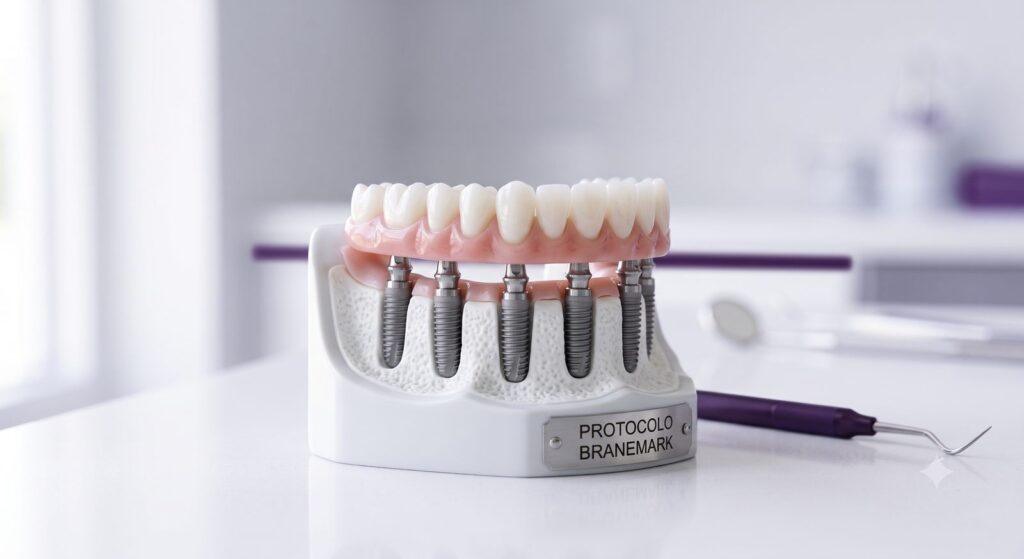
The Branemark protocol is an implant technique in which a fixed prosthesis is placed on implants across the entire lower or upper arch, providing complete oral rehabilitation for patients who have lost all their teeth and suffer from bone resorption.
The procedure is carried out in two main stages, one surgical and one prosthetic: first, 4 to 6 implants are placed to support the prosthesis; in the second stage, the abutments that will hold the new teeth are installed. A waiting period — from days to months — is usually needed between the two stages.
Frequently asked questions
What are the advantages of this technique?
Patients who need full dentures gain ease and confidence when speaking, chewing and smiling. In the lower jaw, the protocol offers far greater stability than a removable denture; in the upper jaw, besides stability, it does not cover the palate, ensuring more comfort and a more natural feel.
Minor Oral Surgery
Minor oral surgery refers to surgical procedures that can be performed in the dental office or clinic, under local anesthesia and with a lower risk of complications.
Gum surgery
Recommended for patients with periodontal disease, where bacterial plaque has built up below the gum line and a gum flap is needed for local scaling and cleaning. Gum contouring is also part of this group, exposing more of the teeth for a more harmonious smile.
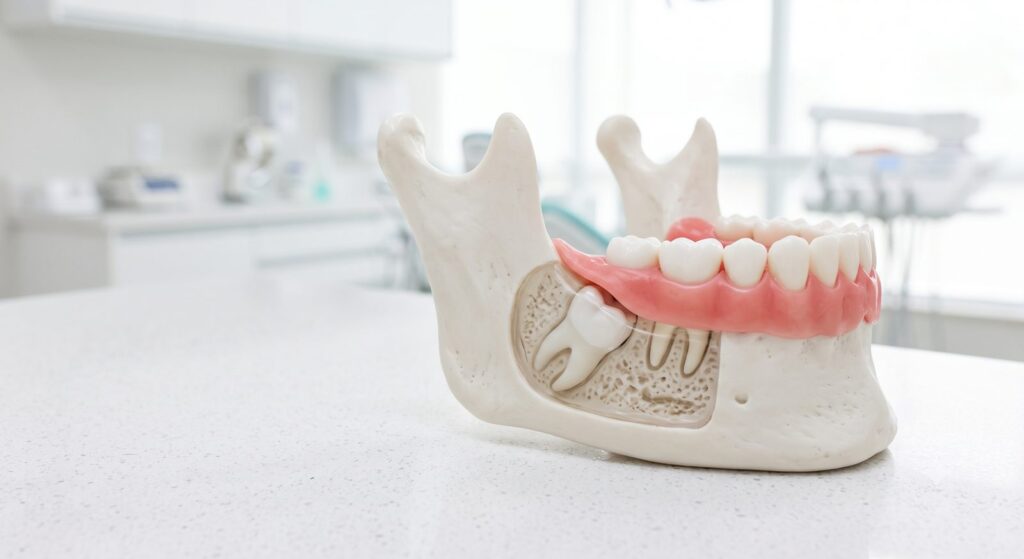
Extractions and wisdom teeth
The removal of one or more teeth when clinically indicated — including wisdom teeth, whether erupted or impacted. The main reason to remove them is that they are hard to clean, which can lead to infections, as well as poor tooth positioning. The surgery usually takes less than 30 minutes per tooth.
Frequently asked questions
Can any patient have dental surgery?
Most people can, as long as their general health is good. The dental surgeon assesses each case individually and may request complementary exams if necessary.
Is dental surgery considered complex?
Complexity varies with the procedure: it can take a few minutes or, in specific cases, hours — it depends on how many interventions are needed.
What is the recovery period like?
These are minimally invasive surgeries with very little discomfort. It is important to follow the special care instructions given by your dentist, especially regarding local hygiene and diet.
Are there risks?
Every surgical procedure can involve risks — biological, infectious and mechanical. Minor oral surgeries, however, have extremely low complication rates.
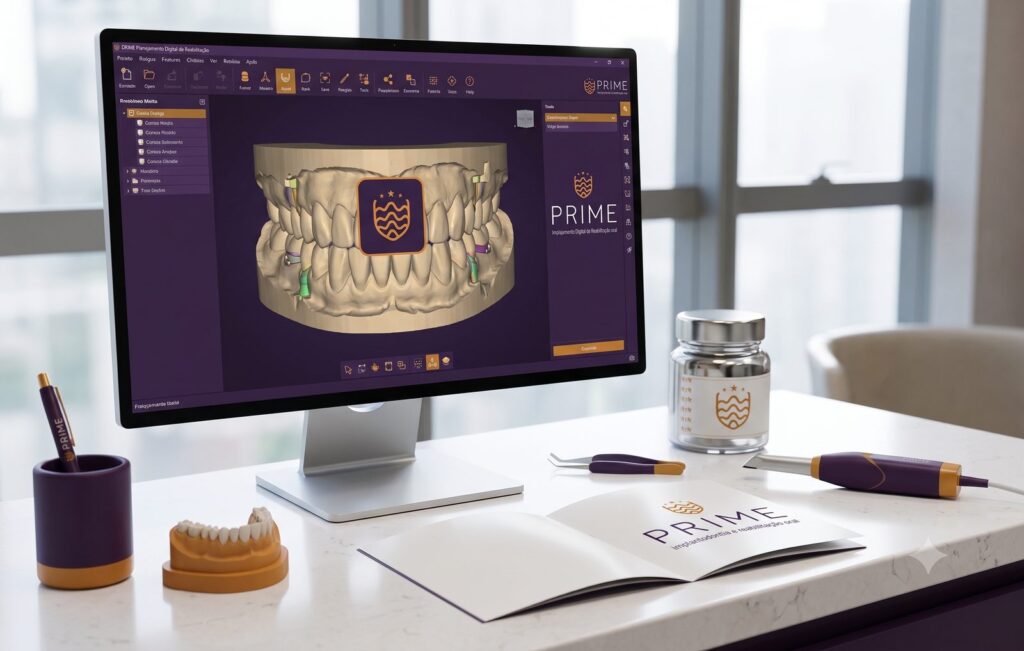
Bone Grafting
Before placing a dental implant, it is essential to assess whether the patient has enough good-quality bone tissue where it will be placed — one of the factors that ensure the success of the treatment.
When there is bone atrophy or resorption, with reduced bone thickness and height, we recommend a bone graft: a procedure that restores volume to the atrophied bone, allowing the implant to be placed with greater support and safety.
Frequently asked questions
How is a dental bone graft performed?
Bone grafts are usually made with the patient’s own bone, taken from other parts of the body — human or animal bone banks or synthetic materials can also be used. Healing and regeneration time varies from patient to patient, but it is usually necessary to wait 4 to 6 months to assess the success of the procedure.
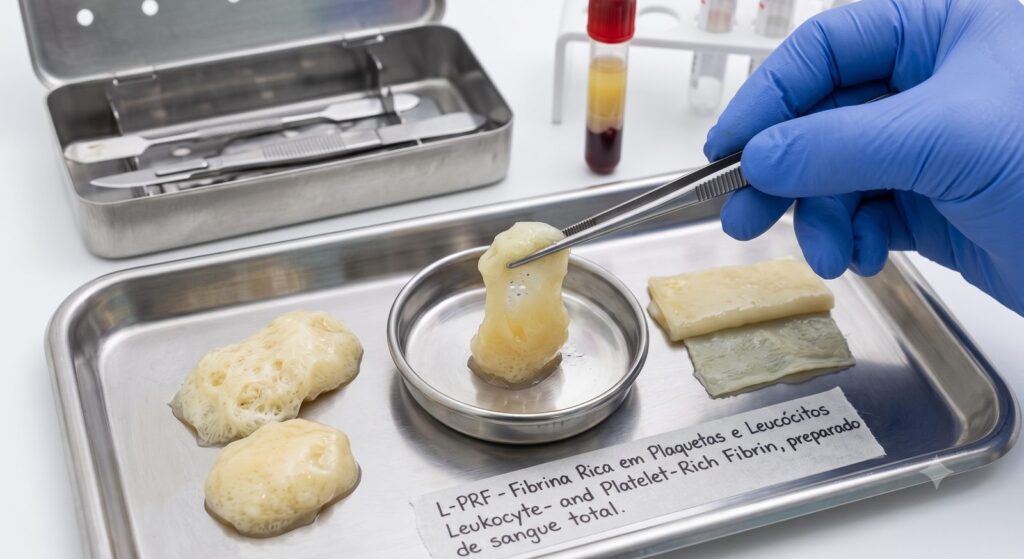
L-PRF
L-PRF stands for Leukocyte- and Platelet-Rich Fibrin. The technique consists of taking a blood derivative from the patient, which undergoes controlled centrifugation to obtain a fibrin mesh — a component that aids tissue regeneration.
It is very beneficial for wound repair, especially in surgical procedures such as tooth extractions, implants and bone grafts. L-PRF acts as a biological dressing, with great potential to speed up healing.
Advantages of the L-PRF technique
- Turns stem cells into cells specific to bone or gum formation.
- A better and longer-lasting biological response than conventional plasma.
- No risk of an immune reaction for the patient.
- Rich in growth factors that stimulate tissue regeneration.
- Can be used on its own or combined with other procedures, such as bone grafts.
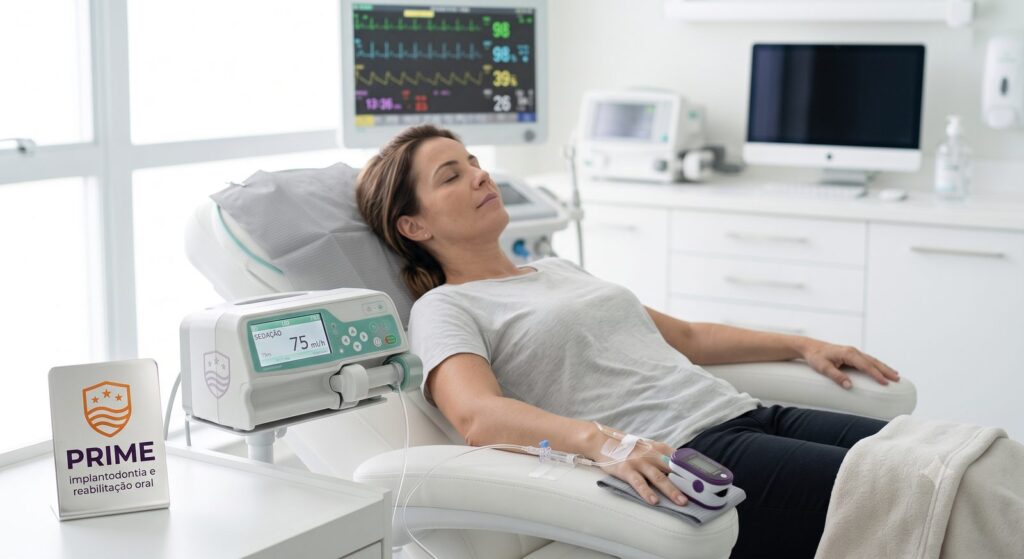
Sedation for Surgery
If you are very afraid of the dentist, or feel anxious just thinking about a more invasive procedure, conscious sedation can help you feel safer and calmer.
Conscious sedation is given intravenously, with an anesthesiologist monitoring you throughout the procedure — providing more comfort for the patient and more freedom for the dental surgeon.
It is not general anesthesia: you keep your reflexes throughout the procedure, with only a reduced level of consciousness, without affecting your ability to breathe or respond to verbal instructions. It can be used for implants, oral rehabilitation, aesthetic treatments, endodontics and minor oral surgery.
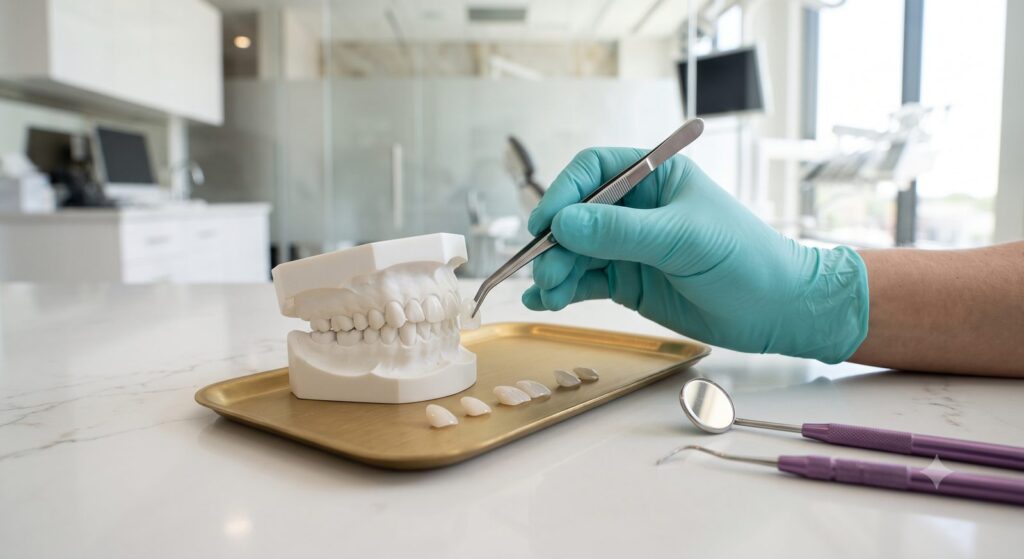
Porcelain Veneers (Contact Lenses)
Dental “contact lenses” are ultra-thin porcelain veneers that correct irregularities in the teeth, such as stains, small misalignments and shape defects.
Made from a very delicate material (from 0.2 mm thick), they bond seamlessly to the tooth, ensuring a natural, beautiful smile with minimal reduction of the natural teeth.
Who is it for?
- Stained or darkened teeth that do not respond to whitening.
- Small misalignments and gaps between teeth.
- Worn, chipped or irregularly shaped teeth.
Frequently asked questions
How are the veneers fitted?
The first step is a digital impression of your smile with an intraoral scanner. We then plan the changes digitally and test the result in your mouth before the final veneers are made, so you approve your new smile before everything is finished.
Veneers
Veneers are thin shells bonded to the front surface of natural teeth, able to correct color, shape, size and small misalignments — restoring harmony to your smile.
They can be made of porcelain or composite resin. The choice of material depends on the desired result, how much the teeth need to change and the planning of each case.
Veneers vs. dental contact lenses
Dental contact lenses are a type of ultra-thin veneer, recommended when the teeth already have good shape and position. Conventional veneers are slightly thicker and correct larger changes in color and shape.
Frequently asked questions
How long do veneers last?
With proper hygiene, regular check-ups and a night guard when recommended, porcelain veneers keep their aesthetics and function for many years.
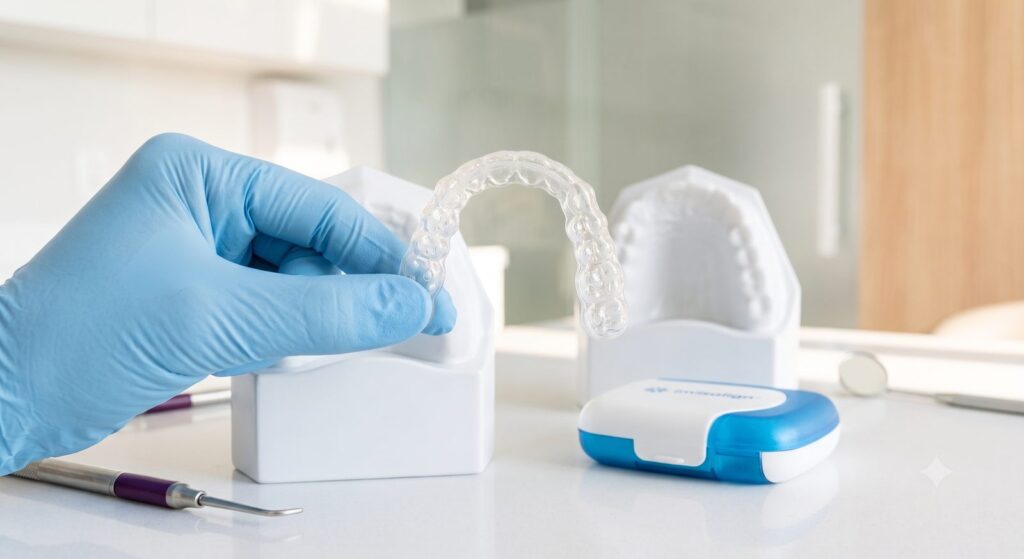
Invisalign
If you need orthodontic treatment but don’t want a metallic smile or the typical discomfort of fixed braces, Invisalign clear aligners are an excellent option.
Treatment uses clear, removable aligners, changed every 7, 10 or 15 days as instructed by your orthodontist — each aligner moves the teeth slightly from the position of the previous one.
The complete protocol is simulated and monitored in 3D, so you can see the changes to your smile in rich detail from start to finish.
Frequently asked questions
Who is Invisalign for?
It is extremely effective for a wide range of orthodontic problems, not just “simple cases” — it solves most alignment and bite issues, such as crowded teeth, widely spaced teeth, crossbite, overbite and underbite.
How is Invisalign different from other braces?
Unlike fixed braces, it has no brackets, wires or elastics — just a clear, fully removable material, for more comfort and better hygiene, with a lower risk of cavities and gum disease. Maintenance is quicker, with no adjustments or broken parts to repair, and allows longer intervals between appointments.
What are the advantages over metal braces?
It looks better; it can be removed for parties and meals; it does not harm the soft tissues; it makes cleaning easier and lowers the risk of cavities; it lets you see your progress more clearly; and it delivers faster results with less stress on the tooth roots.
How long is the treatment?
It depends on each case, but Invisalign usually delivers satisfying results faster than fixed braces, in an average of 6 to 12 months. Only an orthodontist can assess your smile and recommend the best option.
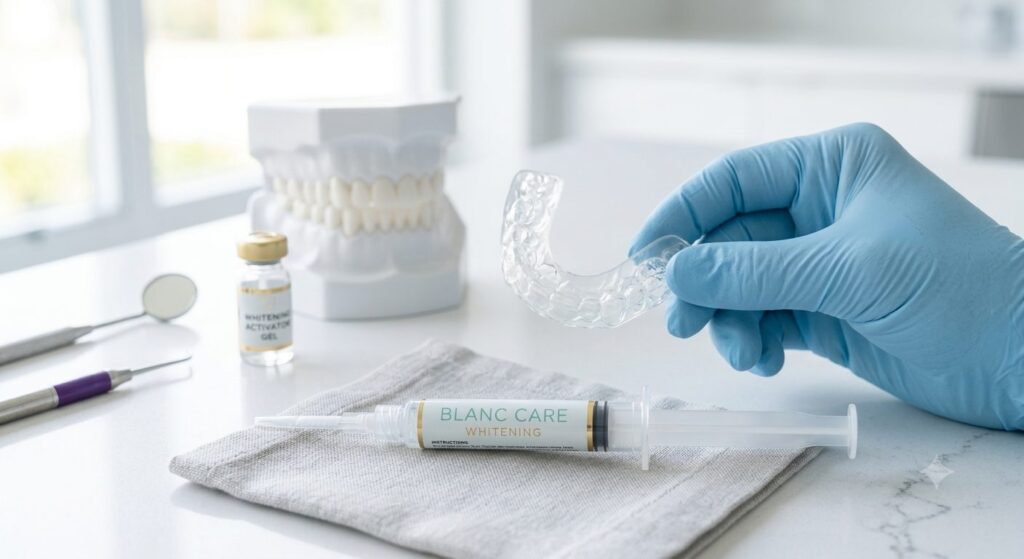
Teeth Whitening
Recommended to improve the appearance of darkened or stained teeth, whitening is one of the most requested in-office treatments. There are two options: in-office whitening and at-home whitening — both effective, but with different timeframes for results.
In-office treatment uses higher concentrations and delivers faster results, ideal if you are in a hurry, about to travel or have an important event. At-home whitening is gradual, using trays with a lower concentration overnight.
In-office treatment may cause more tooth sensitivity — which is why the ideal treatment should be chosen individually by a dentist.
Frequently asked questions
Can anyone have their teeth whitened?
No. There are absolute contraindications, such as pregnancy, and relative ones, such as gum disease. Anyone outside these cases with good oral health can have the procedure.
Does whitening weaken the teeth?
According to the scientific literature, when performed correctly and with professional supervision, the procedure does not damage the enamel or dentin.
Does whitening hurt?
The procedure is not painful. There may be increased sensitivity, which usually subsides over time without interrupting treatment.
How long do the results last?
It depends on each case. On average, results last 1 to 3 years, and touch-ups can be done once a year.
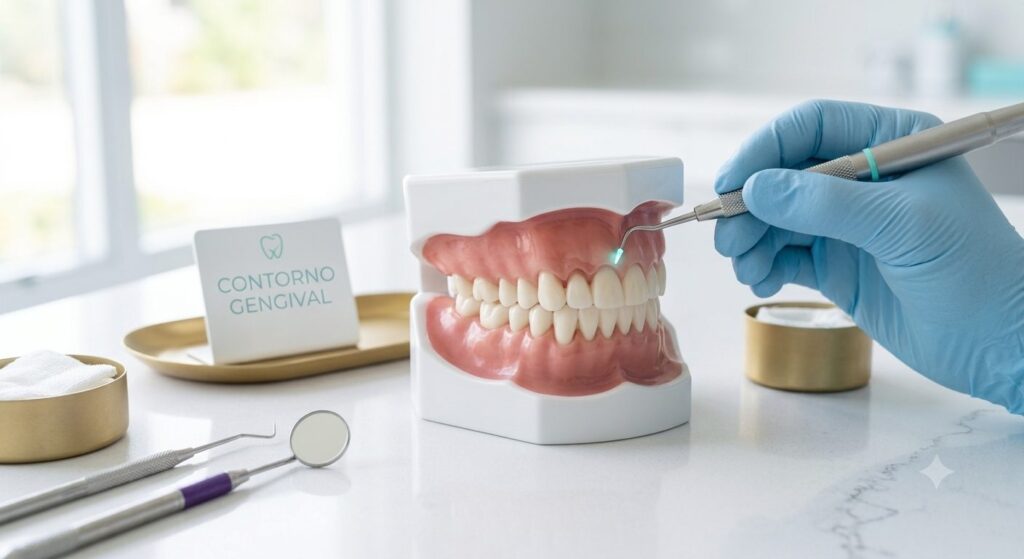
Gum Contouring
A beautiful smile shows 1 to 2 millimeters of gum between the lips and the teeth. When it shows more than that, the smile looks unbalanced — gum contouring (gingivoplasty) is the most suitable procedure to correct it.
The surgery removes part of the gum to make the necessary correction; in many cases no stitches are needed, just a surgical dressing that is removed after 7 days. It can be done with a conventional scalpel, an electric scalpel or a laser.
In most cases it is considered very easy or even painless — a quick, minimally invasive surgery with recovery in a few days that does not stop you from carrying out your usual daily activities.
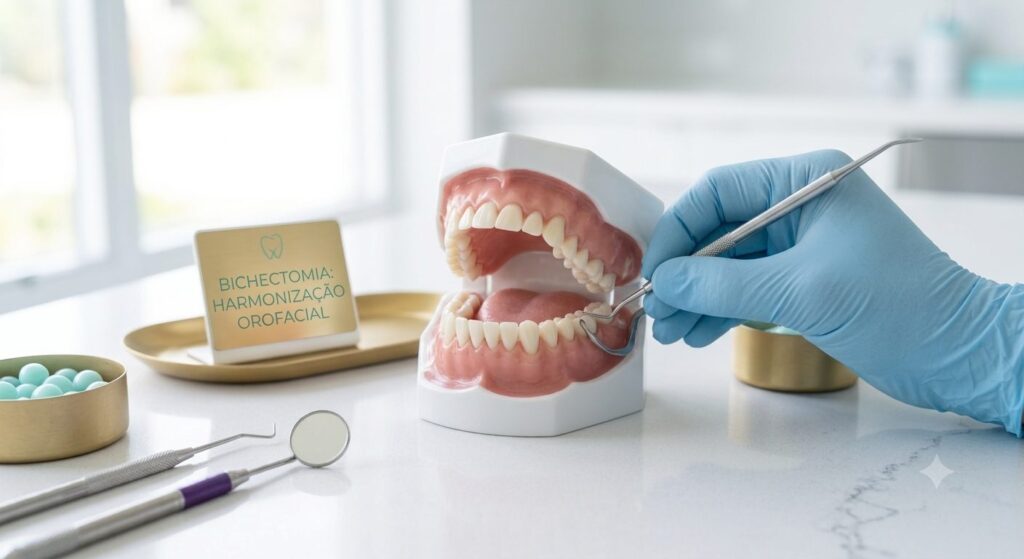
Buccal Fat Removal
Buccal fat removal (bichectomy) is recommended mainly for patients with a larger volume of the “Bichat fat pad”, a fatty structure at cheek level — which can be an aesthetic concern or cause frequent biting of the inner cheeks.
The first effects can be seen from the third week, but the final result only becomes apparent after six months, once recovery is complete.
Frequently asked questions
How is the surgery performed?
It is performed in the office, under local anesthesia and, in some cases, sedation, with no need for hospitalization. Recovery is usually easy and quick — ideally, avoid foods that require heavy chewing for the first 48 hours, and use ice packs in the first few days to reduce swelling.
Is the surgery only for women?
No. Although more women seek it, men who are suitable candidates can also have the procedure.
Does reducing the cheeks affect dimples or skin thickness?
No. The procedure only changes the Bichat fat pads, leaving the rest of the face intact — including dimples and skin thickness.
Does it leave external scars?
No! All scars are internal, since the removal is done through small incisions inside the mouth.
Can anyone have the surgery?
It depends. Besides general health, it is essential to assess whether the patient has favorable facial features. Patients with excess fat in the area or internal injuries from frequent biting are the most suitable candidates.
It’s a simple surgery — so there’s no chance of complications?
That is a myth. Every surgical procedure carries some risk, as with any minor oral surgery. It is essential to choose a qualified professional and follow all aftercare instructions.
Thread Lift
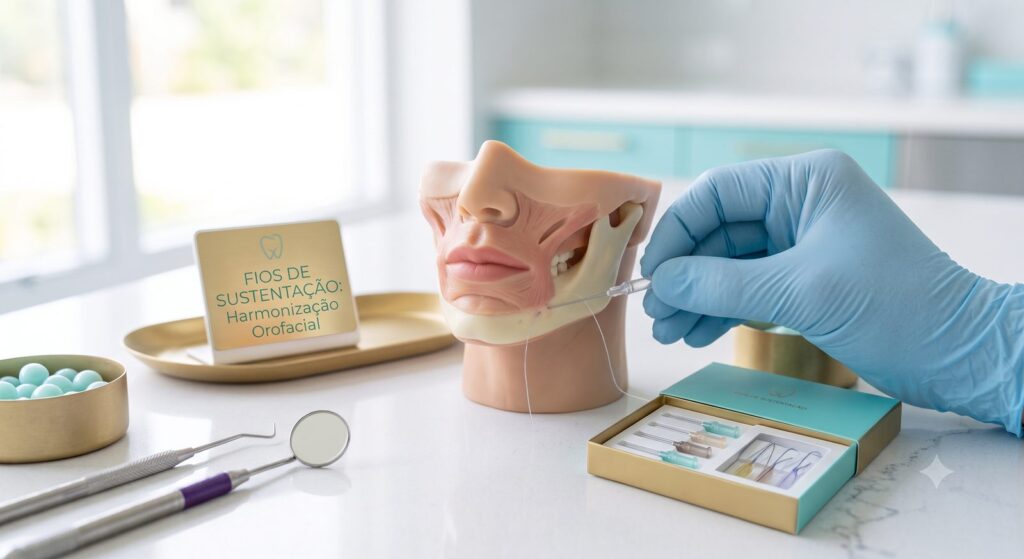
Lifting and biostimulation threads are placed in the skin to lift and support it in the treated area, or to stimulate collagen production, improving skin quality.
The threads are absorbable and made of biocompatible material, so the treatment is considered very safe and is carried out in the office under local anesthesia. There are barbed threads, which help lift the skin, and smooth polylactic acid threads, a collagen biostimulator — the choice is made by the specialized dental surgeon.
Frequently asked questions
When is a thread lift recommended?
It is a versatile treatment, recommended for facial sagging, jawline definition, eyebrow lifting, crepey skin under the eyes and fine lines that have already responded well to botulinum toxin or fillers.
Hyaluronic Acid Fillers
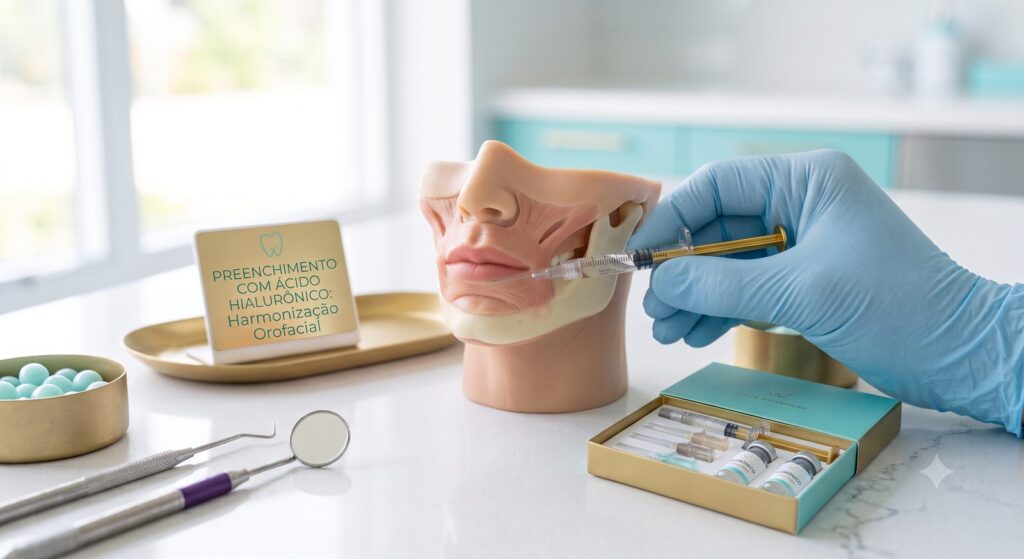
Hyaluronic acid fillers are among the most popular orofacial aesthetic treatments today. They consist of applying a safe, absorbable substance that can add volume to the treated area.
- Softening wrinkles, creases and deep folds.
- Facial support and definition of the facial contour.
- Restoring volume to deep structures that have been resorbed over time.
- Adding volume to hollow areas or areas that naturally lack volume, such as the lips.
- Refining strategic points that bring harmony to the face.
Injections are given with a needle or special cannulas, with no need for anesthesia. Results last 12 to 18 months on average, depending on the area treated and the type of hyaluronic acid used.
Frequently asked questions
Who are fillers for?
For anyone who wants to treat deep wrinkles, loss of facial contour definition, loss of facial support, thin lips, deep under-eye hollows, depressed scars and some aesthetic nasal irregularities, among other indications.
Is facial harmonization the same as facial fillers?
No! Facial harmonization is not a single treatment — it is a set of techniques and procedures for a more natural, harmonious and balanced face, which may include fillers, lifting threads, botulinum toxin, collagen biostimulators and more.
Botulinum Toxin
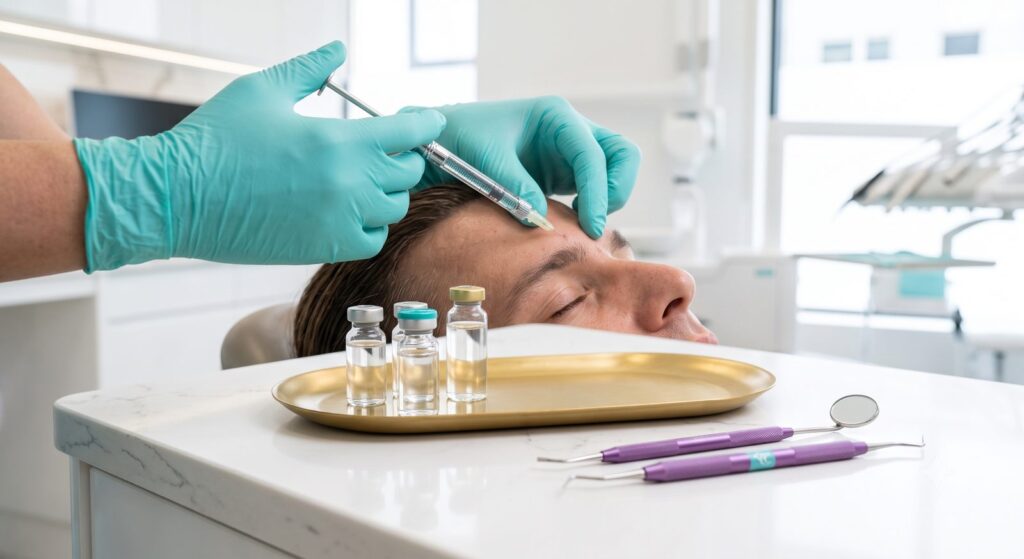
Botulinum toxin is a substance derived from a bacterium that blocks nerve signals to the muscles and reduces the strength of muscle contraction. As an aesthetic treatment, its main aim is to soften and prevent facial expression lines.
Frequently asked questions
What is botulinum toxin used for?
Besides softening lines on the forehead, around the eyes (crow’s feet) and between the eyebrows (glabella), it enhances the face and neck: it improves the jawline and neck aging (platysma), softens vertical lines around the mouth and the texture of the chin, creates a slimmer-face effect and treats bruxism (masseter), as well as lifting the eyebrows. The procedure is easy and needs no anesthesia — results appear after two weeks and can last up to 6 months.
Is there an ideal age to start?
There is no fixed rule, but in general treatment can begin from age 25–30, either to soften fine lines or as prevention.
Does it work immediately?
No! It starts to act within 48 to 72 hours, but the final result is only seen after about two weeks.
Is the effect permanent?
Not either! Treatments for dynamic wrinkles usually last 4 to 6 months, after which a touch-up is needed.
Does it help prevent wrinkles?
Yes! In young patients who don’t yet have wrinkles at rest, it helps avoid exaggerated facial movement and relaxes the muscles, preventing deep wrinkles.
Can it be used to enhance the lips?
No. It relaxes the muscles where it is injected, treating expression lines — it does not add volume. For that, hyaluronic acid fillers are the right choice.
Will “Botox” leave my face expressionless?
This is one of the most common myths. When done properly, the treatment partially relaxes the muscles that cause dynamic wrinkles, softening lines naturally without freezing your expressions.
Root Canal Treatment
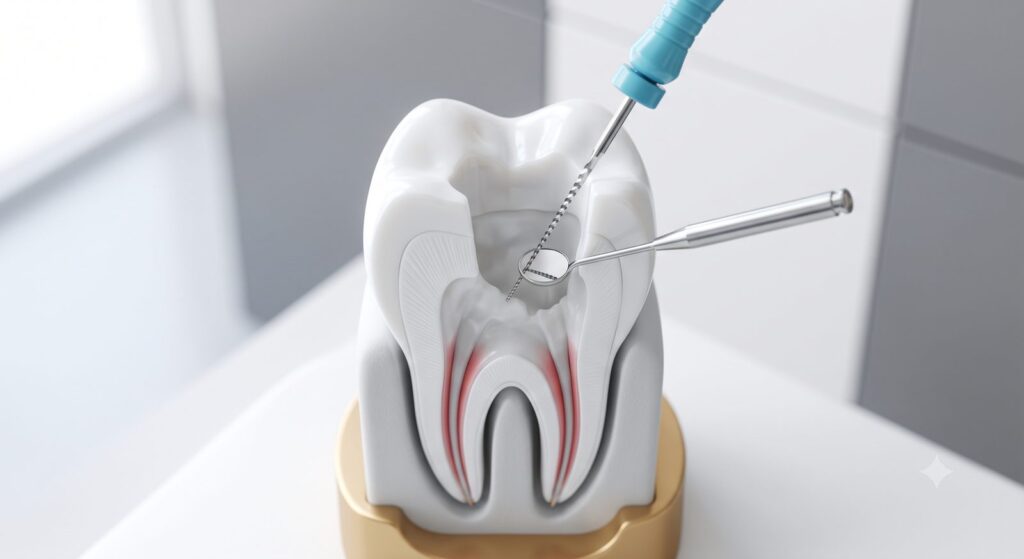
Root canal treatment removes the tooth’s pulp when it is damaged or infected. The pulp is removed, the inner canals are cleaned and the cavity is filled. Besides deep untreated cavities, severe trauma to the mouth can also make the treatment necessary.
Frequently asked questions
What are the stages of treatment?
The first step is literally to “open the canal” to carry out the procedure. Next, the infected pulp is removed and the canals are emptied, disinfected and shaped. Finally, the canals are filled with a specific material and sealed.
Does a root canal hurt?
This is one of the biggest myths: the treatment is not painful. The pain patients report is caused by the tooth infection, not by the procedure itself — once you are anesthetized, the treatment is completely painless.
What is recovery like?
It is usually very easy. It is normal for the tooth to feel sensitive right after treatment, but the discomfort eases within a few hours. In some cases the dentist may recommend a mild painkiller — if the pain lasts more than two or three days, please contact the clinic.